

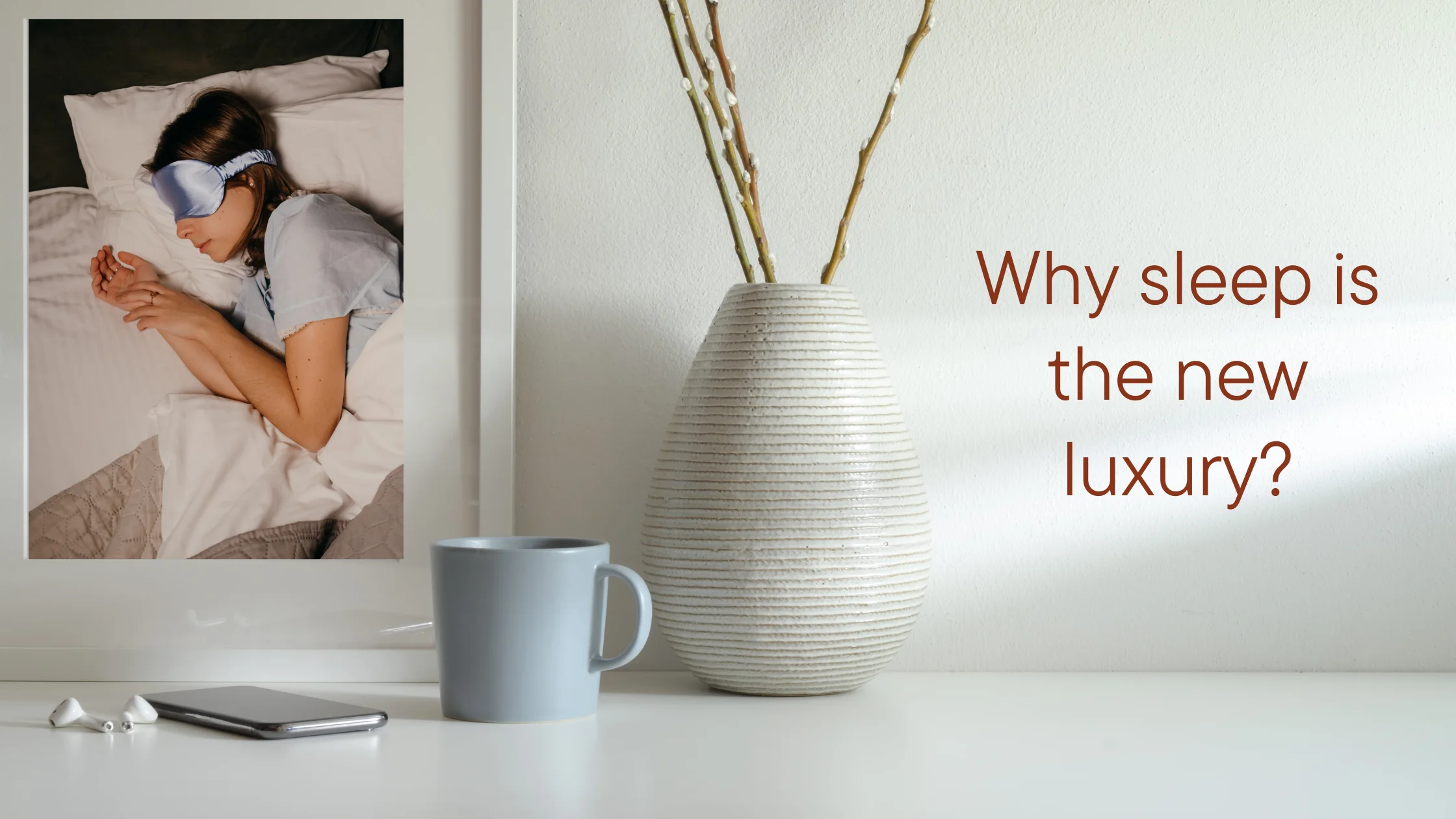
The Impact of Modern Lifestyles on Sleep
Are you someone who feels irritated on Monday or more tired after sleep? Our lifestyle choices today significantly affect the quality of our sleep. And factors such as diet, screen time, and stress play crucial roles in how well we sleep each night.
The convenience of ordering food with a single click has led many to seek comfort food when stressed or when not in the mood to cook. Eating late at night negatively impacts sleep quality, which in turn affects overall health. Similarly, excessive stress and screen time affect our sleep too. It is a basic necessity of life and it should ideally span 7–8 hours each night. However, the hustle culture encourages us to work tirelessly for five days, browse social media or OTT platforms late into the night, and start the next day feeling drained. In this article, I will discuss the importance of sleep and few steps we can take to improve it.

Why it is important?
Consider a child who isn’t slept well. This can negatively affect their brain development and make them cranky. Similarly lack of sleep affects adult mood too. It is essential for both physical and mental well-being. It helps the body repair tissues, consolidate memories, and regulate mood. Lack of sleep can lead to cognitive impairment, mood disturbances, a weakened immune system, and an increased risk of chronic conditions like obesity and heart disease. We have heard a lot about maintaining eight hours of sleep but how does eight has become a magic number when it comes to sleep? It comes from a combination of scientific research and societal norms. Here’s why eight hours is often recommended:
1. Biological Basis
- Sleep Architecture: Adults typically cycle through different stages of sleep (light, deep, and REM) in 90-minute intervals. Completing 4-6 cycles requires approximately 7.5 to 9 hours of sleep.
- Body Repair and Brain Maintenance: Deep sleep is essential for physical repair, while REM sleep is crucial for cognitive functions like memory consolidation, emotional regulation, and creativity.
2. Scientific Research
- Studies show that most adults feel most rested and function optimally with 7-9 hours of sleep. Less sleep over extended periods is linked to:
- Poor concentration and memory
- Increased stress and mood disorders
- Higher risk of chronic illnesses like heart disease, diabetes, and obesity.
- Sleeping much more than nine hours can also be associated with health issues, like depression or low physical activity.
3. Cultural and Historical Influence
- The “8-hour” guideline became widespread during industrialization when labor reforms established eight-hour workdays, implicitly encouraging eight hours for work, eight for recreation, and eight for sleep.
4. Individual Variation
- Chronotype and Genetics: Some people are natural “short sleepers” (need less than 6 hours) or “long sleepers” (need more than 9 hours) due to genetics.
- Age and Life Stage: Sleep needs change with age. Teenagers may need 8-10 hours, while older adults might feel rested with 6-7 hours.
5. The Sweet Spot
- Eight hours strikes a balance: It’s enough to allow the body and brain to restore without oversleeping, which might lead to grogginess or reduced daytime alertness.
Factors Affecting a Good Night’s Sleep
A survey found that 19.9% of 2,744 respondents experienced sleep disturbances. And all of them often faced social media fatigue, fear of missing out (FOMO), or social media addiction. Social media use, especially before bedtime, can negatively impact both the quantity and quality of sleep. The displacement of sleep time, stimulating content, and blue light from digital devices disrupt sleep. The excessive screen time reduces physical activity and distraction free time with your loved ones. And it is a vicious cycle. The lack of sleep causes bad mood and frustration and then you comfort yourself with your comfort food and the comfort food may impact the overall health pheww…!!!
Steps to Improve
I used to stress a lot when I could not get 7 to 8 hours of sleep. Amusingly I read somewhere that stressing about not getting good sleep causes more stress than actually getting less sleep. I am not denying a fact that few people might get just few hours of sleep and they are good to go for the next day. But, I am in favor of getting the basics right. Enjoying home food, doing something physical everyday and then getting good night sleep and avoid using phone before sleep. At times I feel frustrated when people do not get this simple thing. Here are few hacks that I try in my life to ensure that I get a good sleep at least 6 days a week.
- Keeping my kindle near me so that rather than hoping on to the really lucrative reels or shorts, I get an opportunity to deep dive into an imaginary world of someone. I usually read something fiction to allow myself a good night sleep.
- Go for 20 minutes nap in the afternoon to rejuvenate my body from the lack of the sleep from previous day.
The above two works wonders for me but I am still a work in progress. At times I do crave for the dopamine rush that we get after watching the mindless content on various social media platforms. After a long day of work, we often feel we deserve a break and some entertainment. However, this is more of an escape than actual relaxation. The dopamine rush from screen time makes you crave it more, eventually leaving you feeling miserable.
Here are some small steps that you may want to try in your routine:
- Create a dark environment and not use your phone at least one hour before sleep.
- If you want to put alarm, try using actual alarm rather than phone.
- Hot showers: This is something that I want to build as a habit. Hot shower relaxes your body and prepare you for the dream land.
At the end, Eating well, sleeping at least 7–8 hours, drinking plenty of water, and consuming less caffeine after evening are the basic habits that don’t provide a dopamine rush but are crucial for overall health. Neglecting these basics can lead to increased stress, more eating, and a vicious cycle that feels impossible to escape. However, good, uninterrupted sleep can help break this cycle. Being healthy brings indirect happiness. While smartphones and OTT platforms are revolutionary, they also make us constantly crave more information, which can paralyze us mentally. Hence, sensible use of these technologies is essential.