

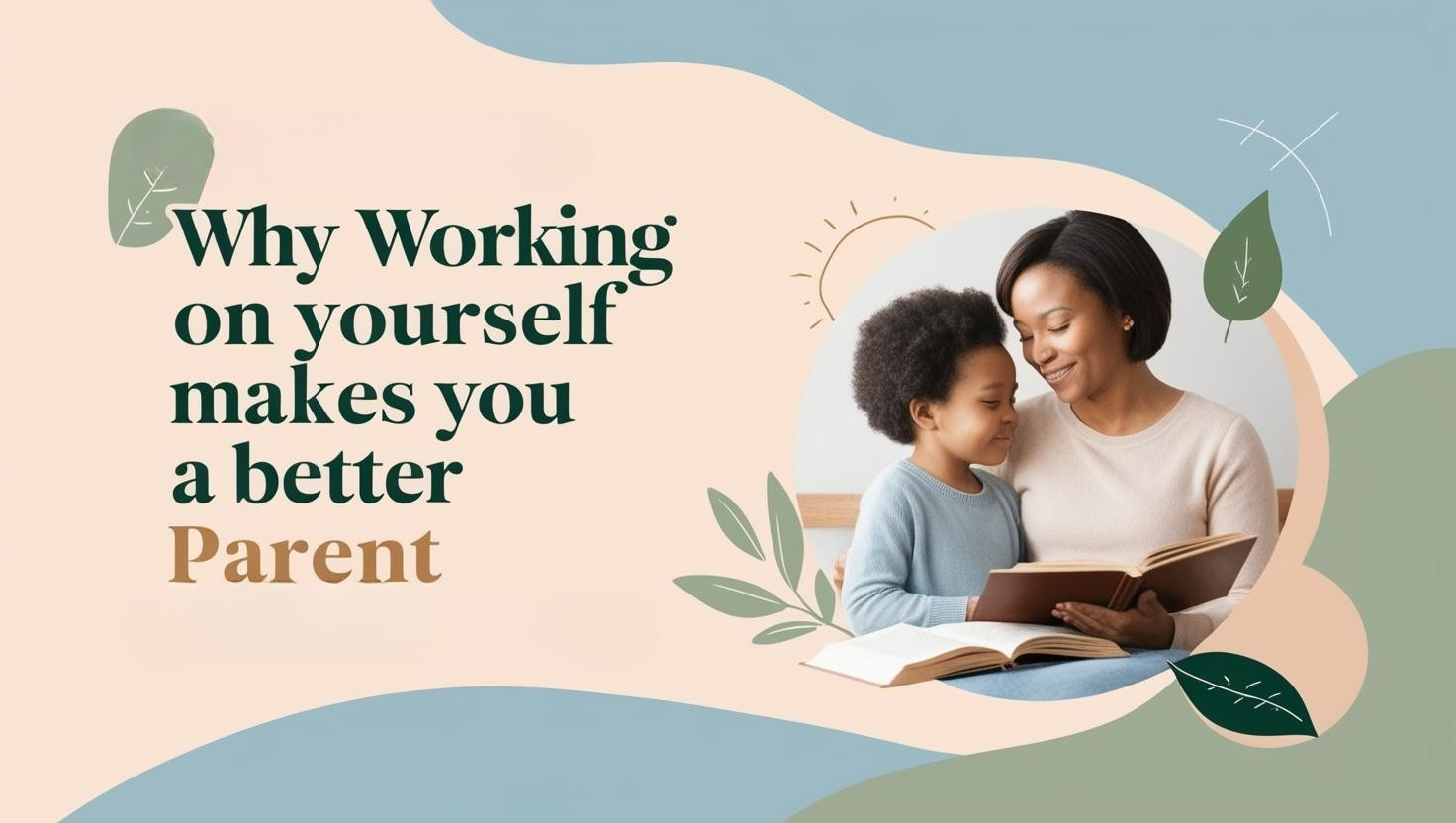
Does every conversation with your child feel like a power struggle? Do they challenge every rule, argue without understanding your reasons, and leave you feeling exhausted and defeated? You’re not alone. Many parents want to raise respectful, emotionally intelligent children—but feel stuck when those same children talk back, ignore boundaries, or seem to push every button you have.
We often try to fix the child. But what if the key to better behavior starts with you?
My Turning Point
I still remember the night it hit me. My son was just 2 months old, crying inconsolably in the middle of the night. I was beyond exhausted. Out of sheer frustration, I shouted at him to stop. Then I broke down myself, sobbing on the bed, not knowing what to do while even my parents looked helpless. We were not able to pacify him no matter how hard we tried. That moment shook me—it made me realize just how thin the line is between reaction and regret. Shouting in anger felt like natural reaction with coating of guilt when I realized that it is not his fault.
Years later as of today, my challenges have evolved. Now, even brushing his teeth is a battle. He’s 3.8 years old and refuses to use toothpaste. Negotiating with him often feels like walking on eggshells. But what truly made me pause was the day he yelled back, “I will slap you”—a line he learned from me during one of my worst parenting moments. I had once, in desperation, said it to him. I’ve apologized more times than I can count. Yet, he remembers. And repeats it when he is angry. These two were the moments when I knew: I couldn’t keep parenting on autopilot. I needed to grow if I wanted him to grow.
Self-Work Is Parenting Work
Especially with defiant or rebellious children, emotional leadership matters more than perfect discipline. If you want your child to listen without yelling, you must first learn to lead without losing control.
Here’s how I began the journey—and how you can, too:
1. React Less, Regain Influence When your child pushes back, your gut may scream, “Discipline now!” But reacting from anger only fuels their defiance.
I used to shout right back. But now I try to pause. Sometimes I step into another room or in the bathroom and just breathe. Then I return, calmer, and say, “I’m here when you’re ready to talk.”
This tiny shift teaches emotional control—and earns respect more than shouting ever will.
2. Understand What’s Really Triggering You When he throws tantrums over toothpaste or screams in public, I often feel like I’m being judged as a bad mom. Comments like “he’s too pampered” sting deeply. Sometimes, just to avoid the embarrassment, I give him a timeout—not because he needs it, but because I do.
But the real trigger isn’t the tantrum—it’s the fear that I’m not enough. I have started reflecting my worse moments using my journal and without being too harsh on myself. I think what I would do differently to make such moments less turbulent.
3. Stay Grounded When They Push Back Rebellious kids are often testing safety—Can I express myself? Will you still love me when I’m difficult?
I’ve learned to give my son space during meltdowns—especially in public. I find a quiet spot and let him cry while I stay close. It’s not easy, but it shows him that his big feelings are safe with me. That also gives me breather without providing unnecessary explanations.
Own Your Part—Without Blame For the longest time, I believed I had to be perfect to be a good mom. I compared myself with moms who cooked elaborate meals and followed rigid routines. My son is a picky eater—and I’ve been told many times that it’s my fault for not trying hard enough.
But now I know: guilt doesn’t feed him. Connection does. I cannot say I am over the guilt that I could do better but I am in a better position (LOL).
5. Talk Back to Your Inner Critic: There is always a voice that says, “You’re not doing enough” But now we need to learn to replace it. My response? “I’m doing my best. And that’s enough today.” It still shows up when I skip bedtime stories or sending laddu in the tiffin third time in a row. But I have decided to move forward anyways and try not to hate myself.
6. Let Go of Unrealistic Expectations Three years ago, I was chasing professional goals and motherhood like a race. I wanted to prove I was a good daughter-in-law, a great mom, a successful woman. I wish I had just paused and enjoyed my son more. Now, I try to stay present. I worry less about judgment and more about connection. I still try to utilize every single minute of my day converting ensuring productivity but I have also learnt to stay in the moment.
7. Model Self-Love and Self-Acceptance I’ve learned to be kinder to myself. When I focus on gratitude, take mindful walks, or carve out a few minutes for myself, I notice I have more patience, more space for him.
And you know what? My son now ensures that he consults me before doing things. He trusts me. Even though he does something bad, he knows that he is not supposed to be afraid of mamma. That small shift tells me everything I need to know—I’m doing something right.
Conclusion
Lead by Example Children are our mirror, teacher, and they are the greatest invitation to grow.
We don’t have need perfect parenting. We need presence. Consistency. Emotional leadership.
We need to learn to show them what self-respect looks like. Apologize when we mess up. Stay firm without yelling. Speak our truth with love.
Because the most powerful way to change your child’s behavior—is to model the behavior you want to see.
Your healing becomes their blueprint.
Start with you. Your child will follow.
For me, this journey is far from perfect. I’m still learning every single day. But I’ve chosen a path—a path to work on myself, so I can lead by example. And that alone gives me hope that I’m becoming the parent my child needs.
Your Turn: Let’s Grow Together If this resonated with you, I’d love to hear your story. What’s one small shift you’ve made—or want to make—in your parenting journey?
Leave a comment, share this with a fellow parent who’s struggling, or journal your own reflections today. And remember: the work you do on yourself is never wasted.
Let’s raise ourselves so we can raise them—together. Also, do not forget to checkout my other articles on emotional intelligence and mindful parenting.
If you wish to connect with me for 1:1 session, do not forget to checkout work with me page.